Oil Lamps

Oil lamps occupy an important place in the history of everyday life, spirituality, and the decorative arts of Islamic civilizations. Beyond their practical function as sources of light, they symbolize knowledge, contemplation, and transmission—concepts deeply rooted in Islamic culture.

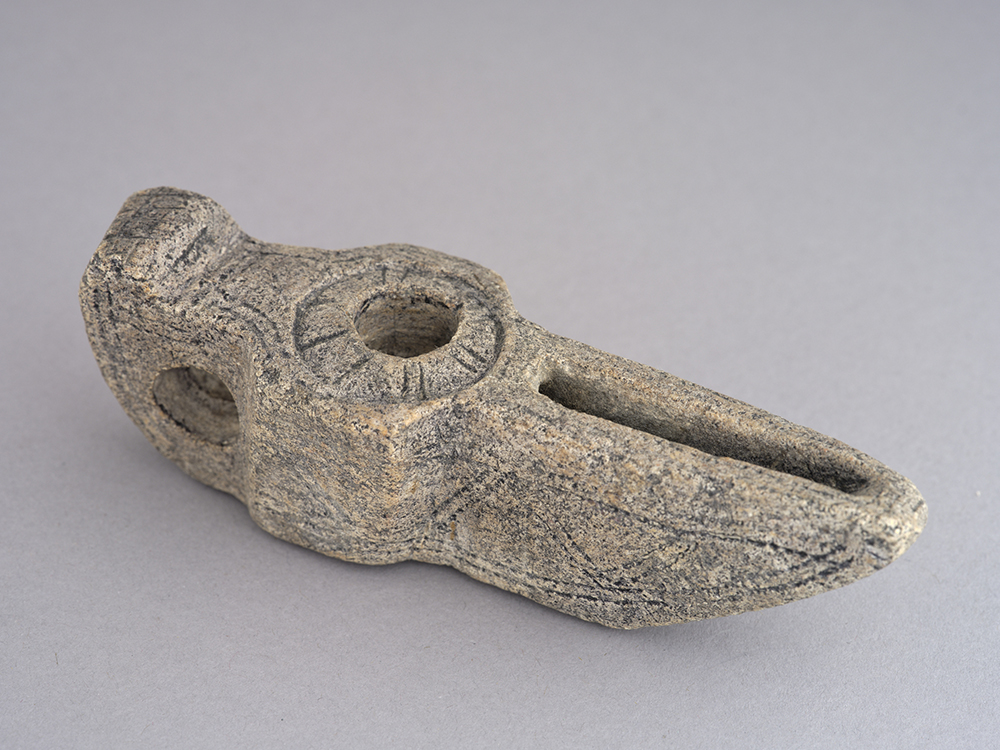
The ADLANIA Foundation’s collection of oil lamps brings together pieces from different regions and historical periods, crafted from metal, ceramic, glass, and stone. Their diverse forms, geometric, floral, and calligraphic decorations, as well as the techniques used in their manufacture, reflect the richness of the Islamic world’s artisanal traditions.

Used in homes, mosques, schools, and places of learning, these lamps illuminated daily life while helping to create spaces conducive to prayer, study, and reflection. Some were also designed as prestigious objects, reflecting the taste and refinement of their patrons.

Through this selection, the ADLANIA Foundation seeks to highlight a heritage associated with the arts of light, traditional craftsmanship, and spiritual expression, while contributing to the preservation and promotion of this cultural legacy.

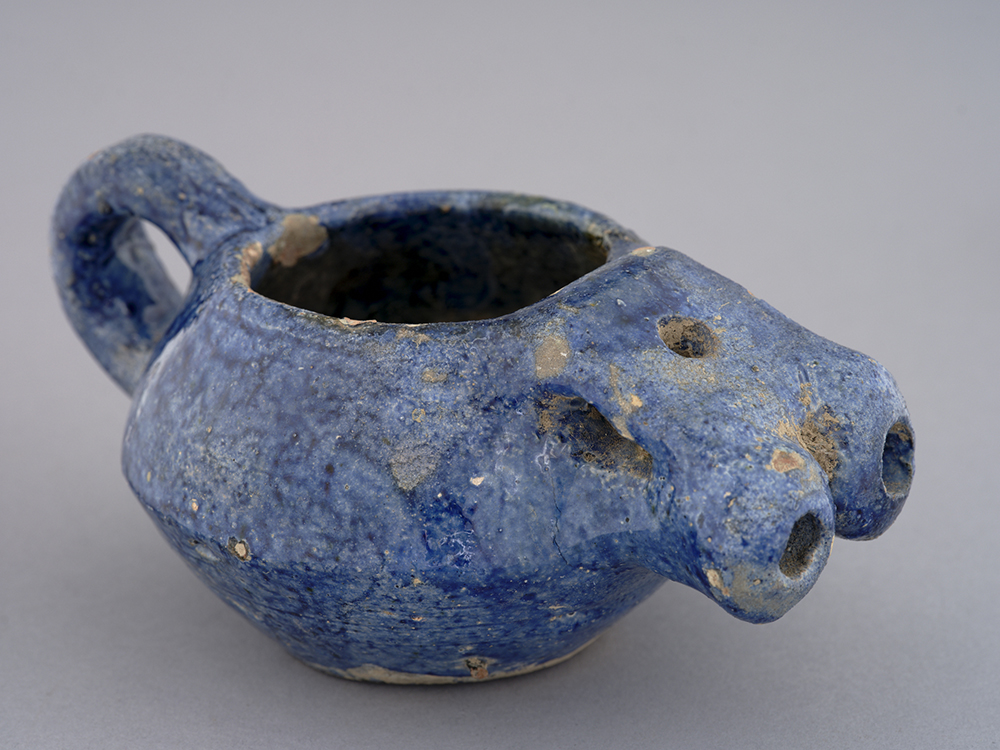
Oil Lamp with Double Spout in Glazed Ceramic

OBJ 2387

Blue cobalt glazed ceramic oil lamp featuring a rear handle and two spouts designed to hold wicks. Its rich glaze, characteristic of certain productions from the Islamic world, gives the object a striking visual presence while protecting its surface. The two light sources provided increased illumination or a more even burn, depending on its intended use.

Estimated date: Medieval or Early Modern period

Geographical origin: Near East, Persia, or North Africa

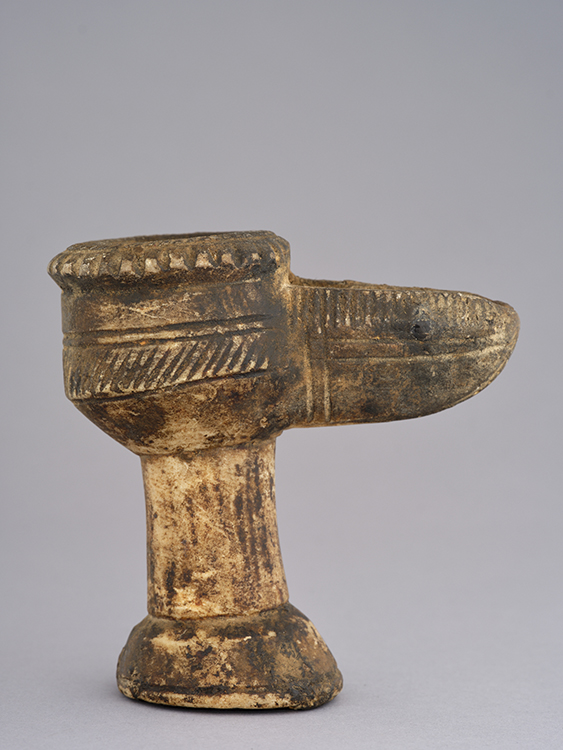
Oil Lamp on a Pedestal with Incised Decoration

OBJ 1027

Terracotta oil lamp resting on a tall pedestal, featuring a raised reservoir and an elongated spout designed to hold the wick. Its incised decoration, composed of geometric bands and linear motifs, enlivens the surface while emphasizing the object’s form. This design elevated the light source, allowing for a wider and more effective distribution of light within living spaces.

Estimated date: Medieval period

Geographical origin: Near East or North Africa

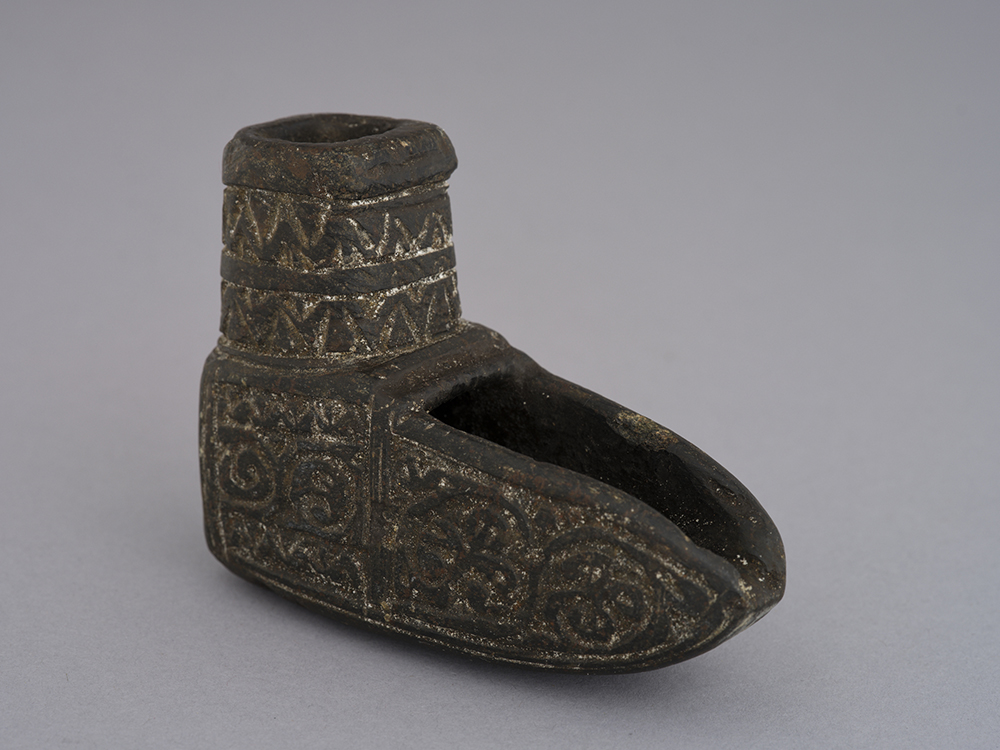
Geometric and Floral Decorated Oil Lamp

OBJ 1621

Terracotta oil lamp featuring a raised reservoir and an elongated spout designed to hold the wick. Its surface is decorated with engraved geometric and floral motifs arranged in registers, creating a balanced and dynamic composition. The richness of its ornamentation contrasts with the simplicity of its function, illustrating the importance given to the aesthetic quality of everyday objects in the artisanal traditions of the Islamic world.

Estimated date: Medieval period

Geographical origin: Near East or North Africa

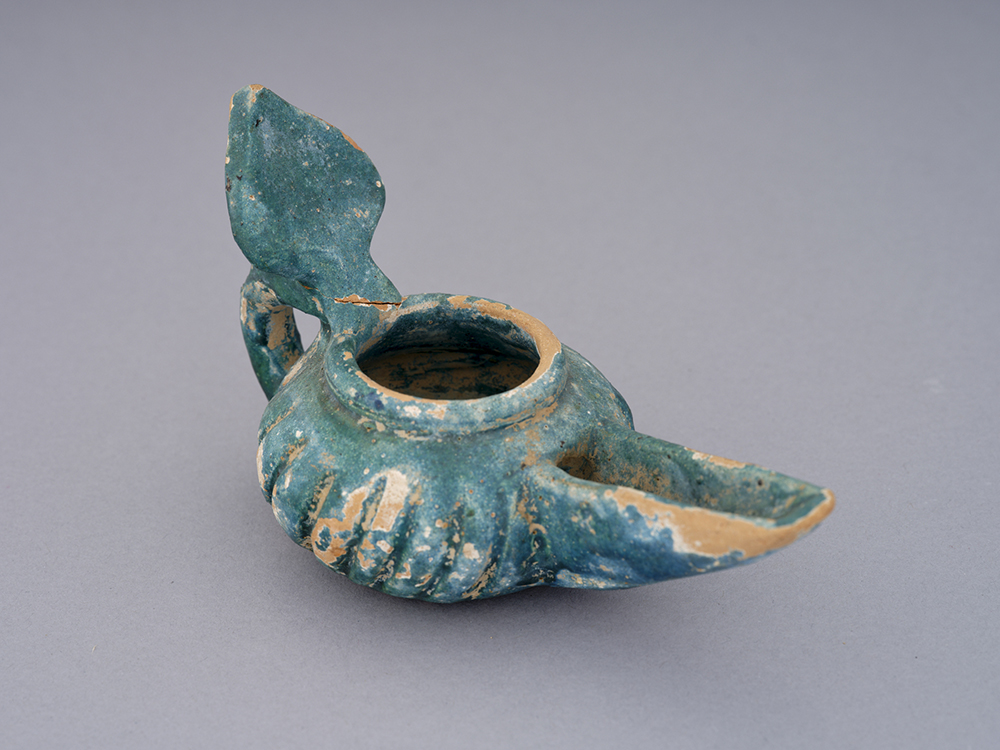
Oil Lamp in Glazed Seljuk Ceramic

OBJ 3883

Oil lamp made of ceramic covered with a turquoise glaze, featuring a rounded reservoir, an elongated spout, and a vertical handle. Its molded decoration with undulating motifs enlivens the surface and reflects the refinement of Seljuk ceramic production. Intended for lighting domestic or religious spaces, it illustrates the development of ceramic arts and the mastery of glazing techniques in the medieval Islamic world.

Estimated date: 11th–13th century

Geographical origin: Seljuk world (Iran or Anatolia)

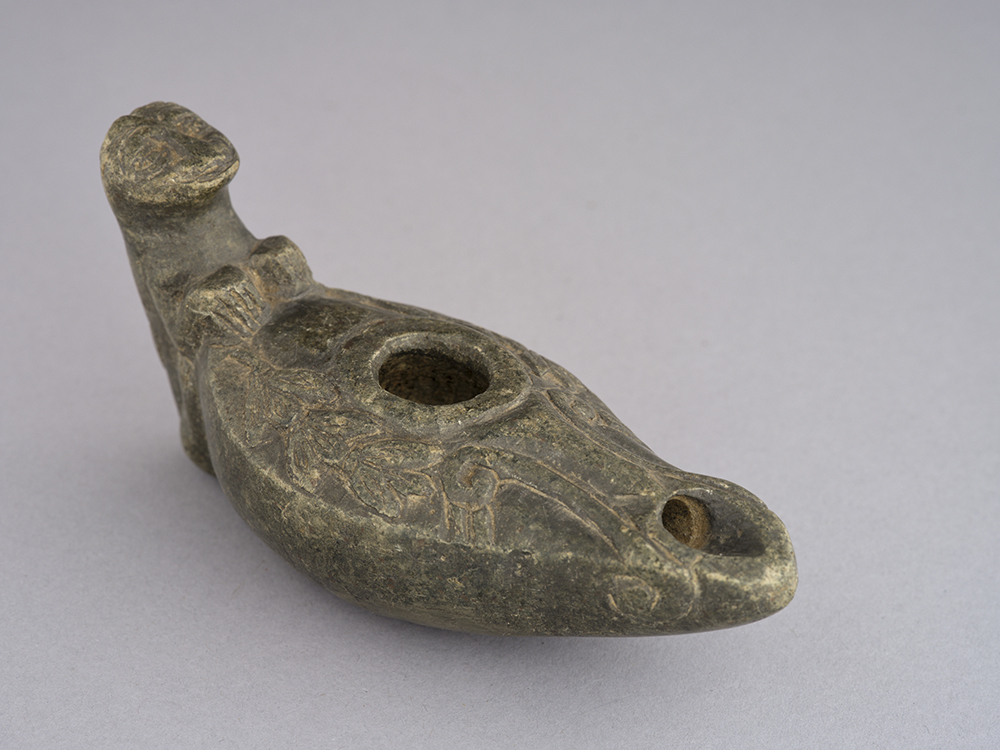
Oil Lamp with Engraved Decoration

OBJ 1025

Terracotta oil lamp with an elongated shape and an engraved decoration covering much of its surface. The incised vegetal and geometric motifs reflect the care devoted to the ornamentation of everyday objects. Its central reservoir and pierced nozzle were designed to hold oil and a wick, providing simple and efficient lighting for domestic spaces.

Estimated date: Medieval period

Geographical origin: Near East or North Africa

Side-Handled Terracotta Oil Lamp

OBJ 1005

Terracotta oil lamp featuring a long spout designed to hold the wick and a side loop that facilitates hanging or handling. Its incised decoration, composed of simple geometric motifs, reflects the care devoted to objects intended for everyday use. Its compact and functional form illustrates the lighting techniques employed across many regions of the Mediterranean and the Islamic world.

Estimated date: Medieval or Early Modern period

Geographic Origin: North Africa or the Near East

Oil Lamp on Turquoise Ceramic Pedestal

OBJ 1017

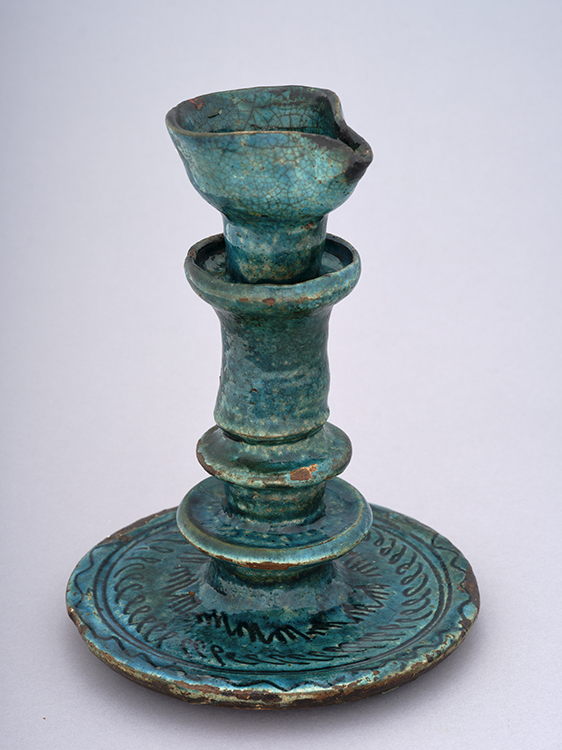
Turquoise-glazed ceramic oil lamp composed of an upper reservoir resting on an elegant pedestal. Its crackled glaze and incised decoration reflect the rich ceramic traditions that flourished throughout the Islamic world. Intended to illuminate domestic interiors or places of devotion, this piece exemplifies the harmonious combination of functionality, aesthetic refinement, and the technical mastery of skilled potters.

Estimated date: 18th–19th century

Geographic origin: Persia (Iran) or Central Asia

Andalusian Oil Lamp with Painted Inscription

OBJ 3883

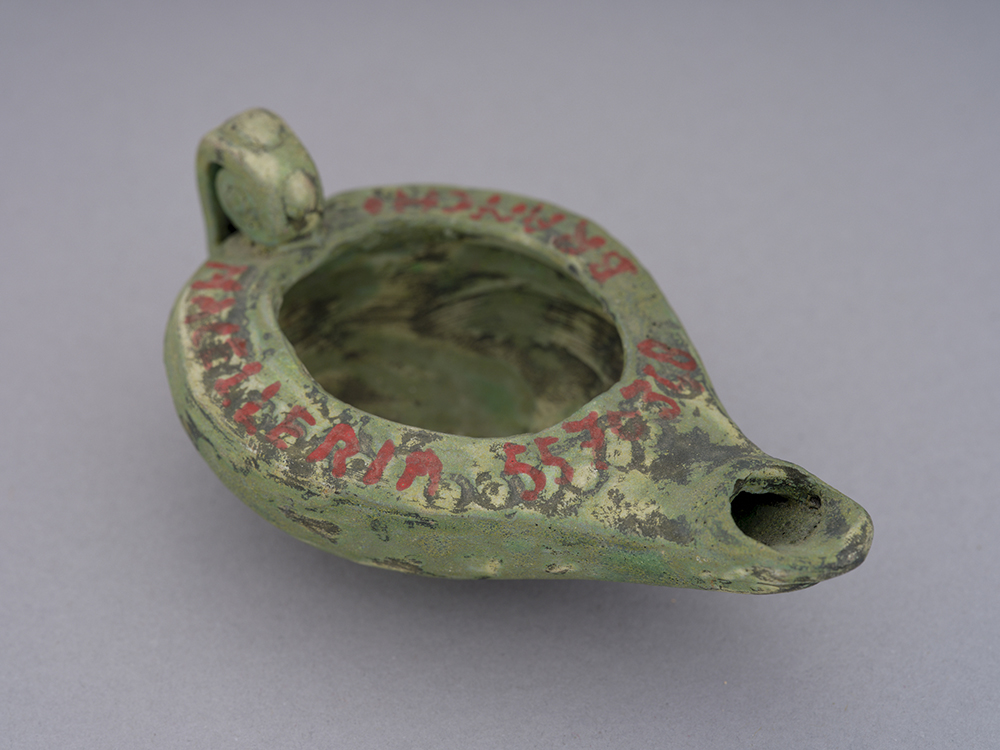
Green-glazed terracotta oil lamp featuring a handle for gripping and a spout designed to hold the wick. It is distinguished by a red painted inscription encircling the oil reservoir, reflecting the integration of writing into the decorative arts of al-Andalus. Combining practical function with artistic expression, this piece illustrates the refinement of ceramic production in Islamic Spain and the importance placed on the decoration of everyday objects.

Estimated date: Medieval period

Geographical origin: Al-Andalus (Islamic Spain)

Andalusian Oil Lamp

OBJ 3896

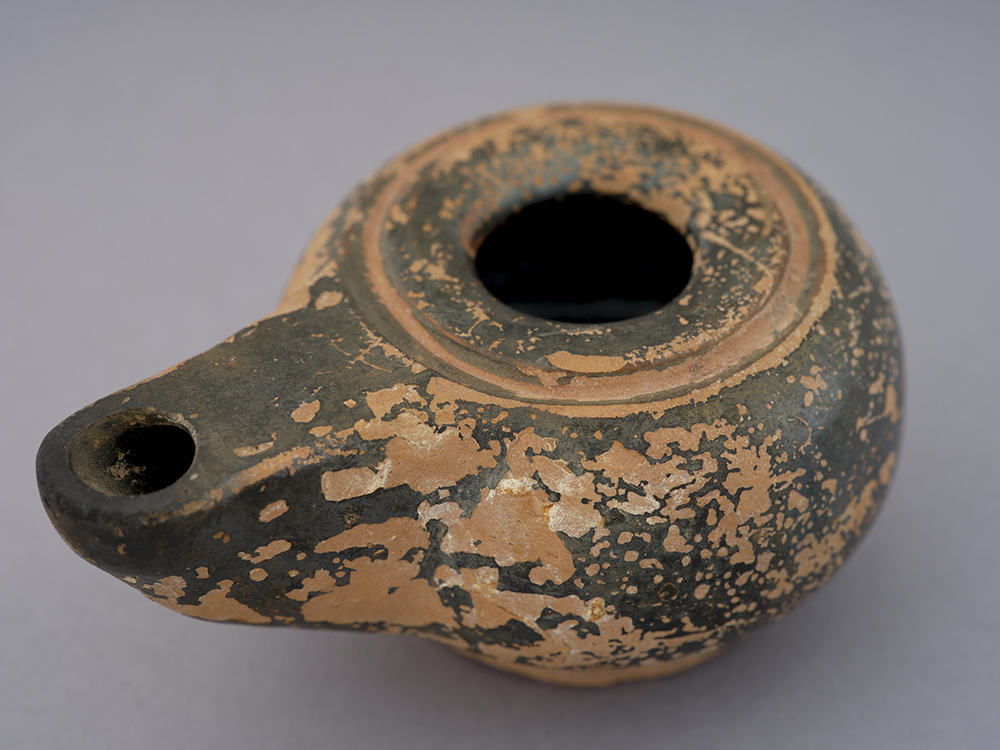
Terracotta oil lamp with a globular reservoir and a short spout designed to hold the wick. Its refined and well-balanced form exemplifies the lighting vessels used throughout Muslim Spain, where everyday objects combined functionality with skilled craftsmanship. Signs of wear and traces of its original surface coating attest to its age and prolonged use. This lamp is a valuable testament to the material culture of al-Andalus and the artisanal traditions that flourished there.

Estimated date: Medieval period

Geographical origin: Al-Andalus (Islamic Spain)

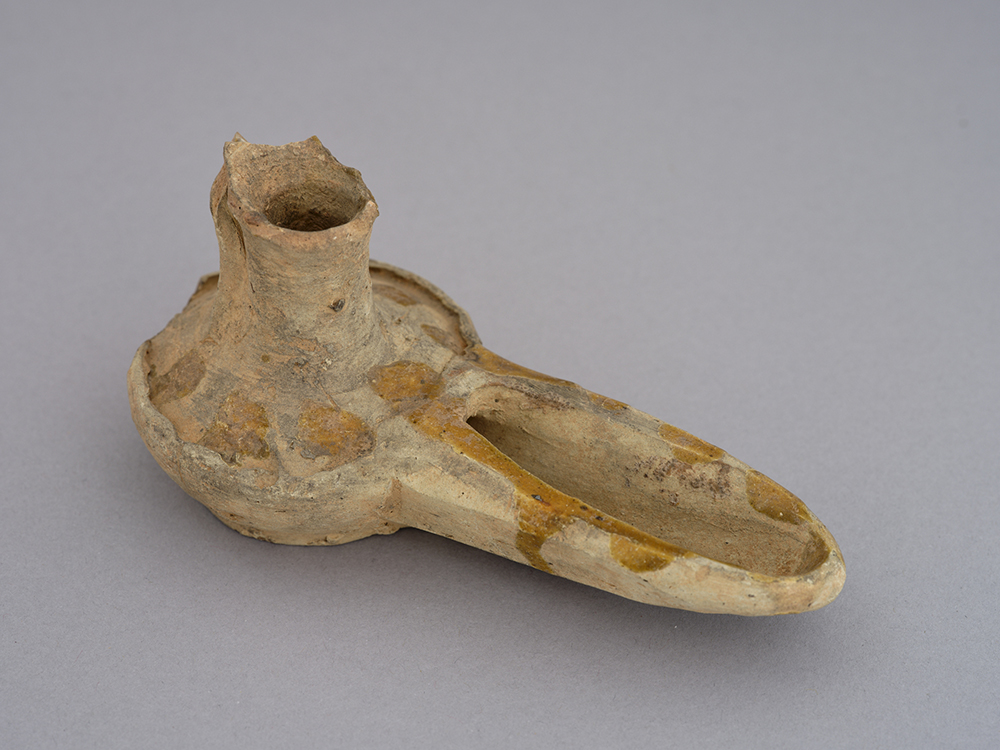
Islamic Ceramic Oil Lamp

OBJ 387

Ancient terracotta oil lamp, characterized by its circular reservoir and elongated spout designed to hold a wick. Its functional form belongs to a long-standing production tradition widespread throughout the Islamic world, where such lamps were used in domestic, religious, and scholarly settings. The remaining traces of glaze attest to its age and prolonged use.

Estimated date: 14th century

Geographical origin: Persia (Iran)

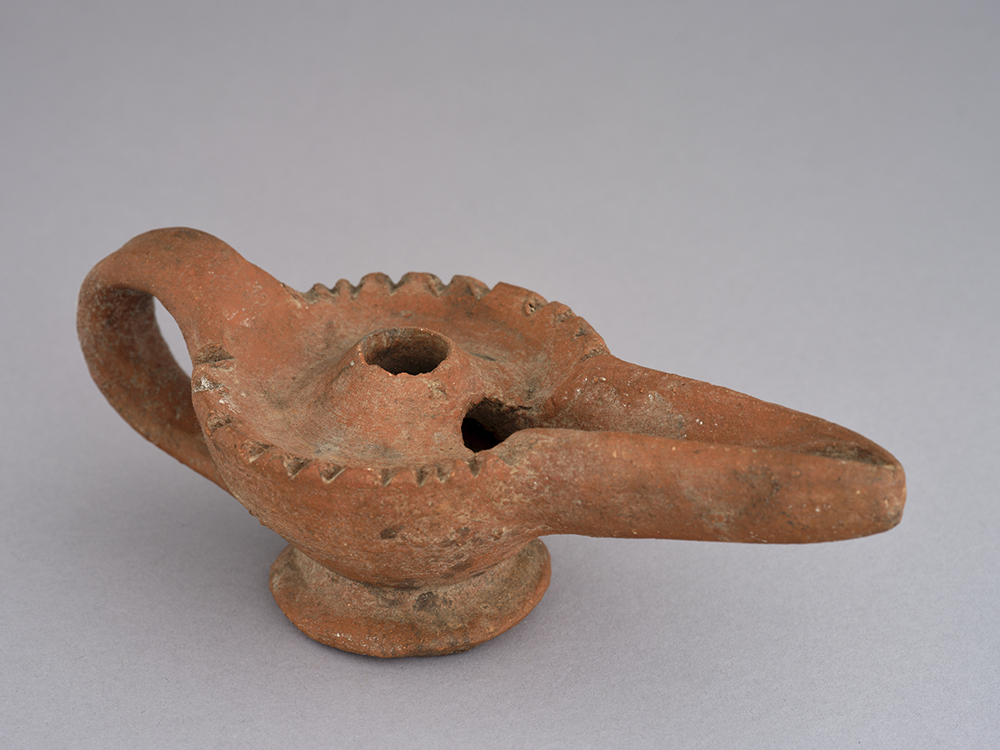
Oil Lamp with Ring Handle

OBJ 1009

Terracotta oil lamp resting on a small pedestal, featuring a ring handle and a long nozzle designed to hold the wick. Its molded decoration, consisting of a toothed border surrounding the reservoir, adds an ornamental touch to an object intended for everyday use. This form, widely found throughout the Mediterranean region, reflects the spread of simple and effective designs used to illuminate domestic spaces.

Estimated date: Medieval or Early Modern period

Geographic Origin: North Africa or the Near East

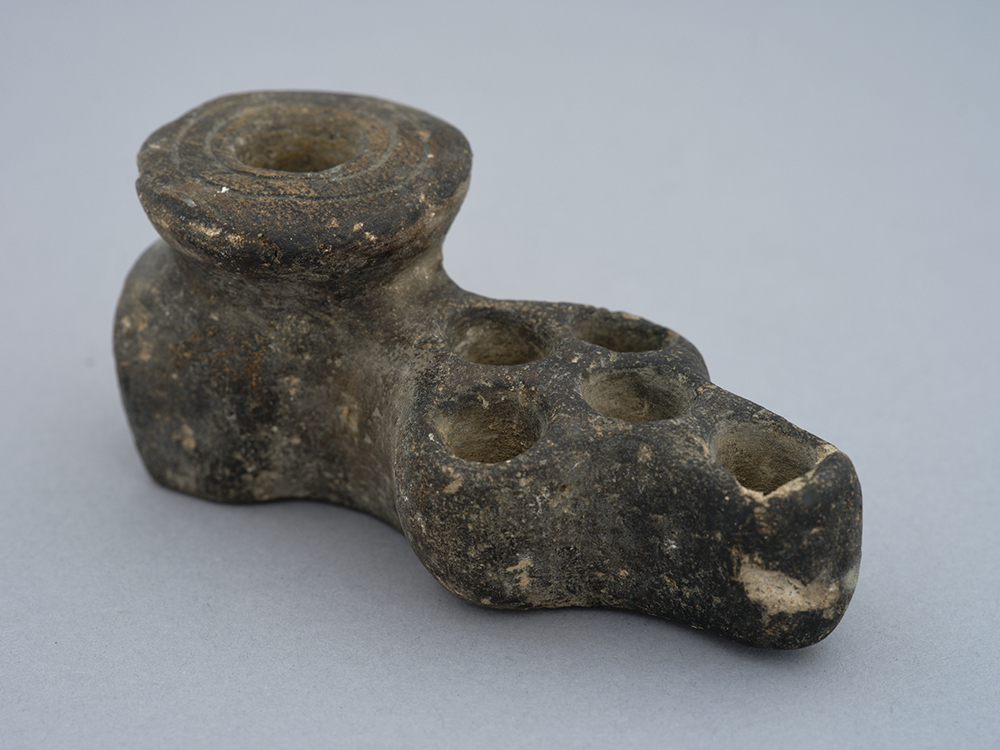
Oil Lamp with Compartmentalized Reservoir

OBJ 1182

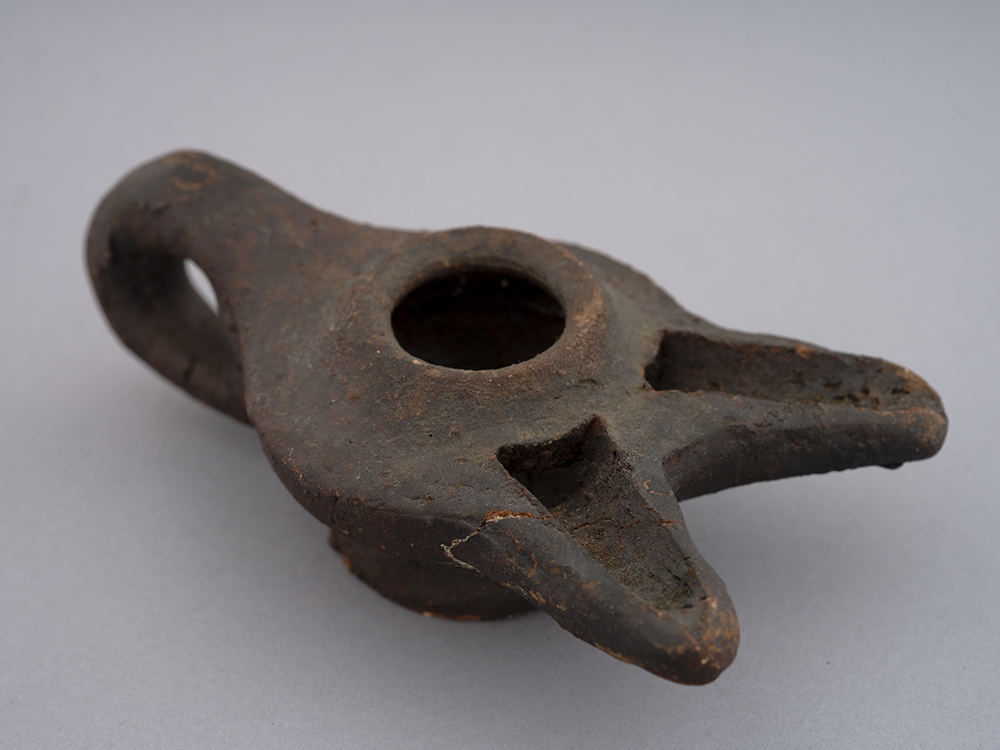
Terracotta oil lamp featuring a main reservoir connected to several small compartments at the front of the object. Its distinctive design reflects the diversity of forms developed for lighting systems in ancient societies. The simplicity of its surface highlights its functional architecture, with each element appearing to serve a specific purpose related to supplying fuel and producing light.

Estimated date: Medieval period

Geographical origin: Near East or North Africa

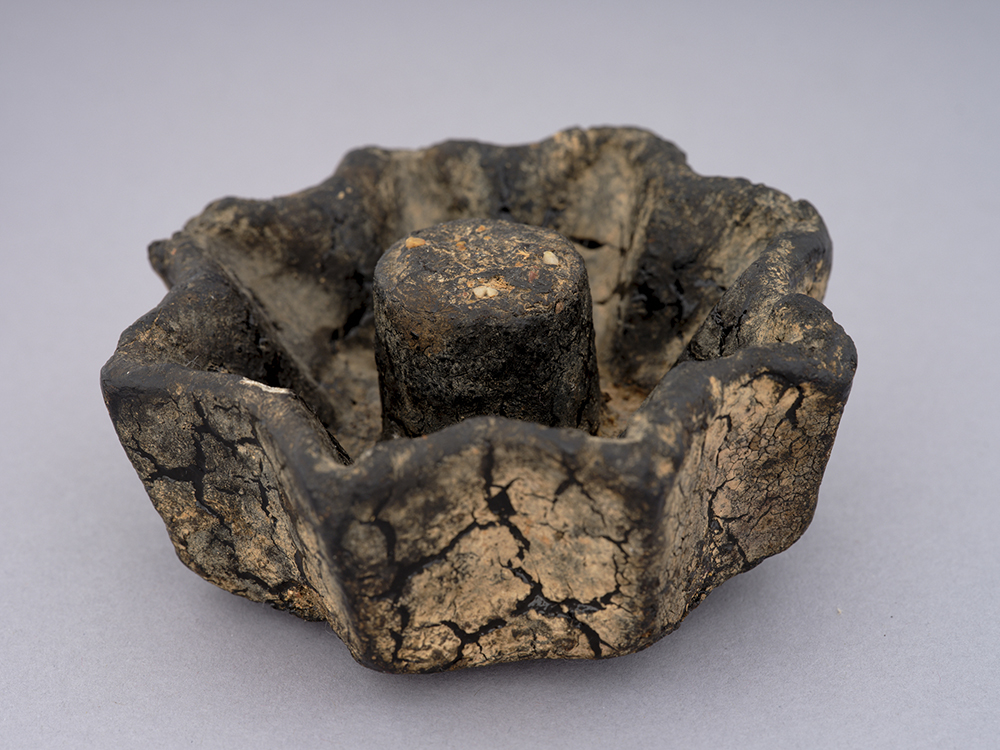
Oil Lamp in the Shape of a Rosette

OBJ 3804

Terracotta oil lamp molded in the shape of a rosette with well-defined petals surrounding a central reservoir. This distinctive design combines a practical lighting function with decorative refinement, drawing inspiration from floral forms. Signs of use and surface wear attest to the object’s age and prolonged use. This lamp illustrates the diversity of traditional lighting crafts produced in the Arabian Peninsula.

Estimated date: Pre-modern period

Geographic origin: Yemen

Moroccan Double-Spouted Oil Lamp

OBJ 3919

Terracotta oil lamp fitted with a ring-shaped handle and two spouts designed to hold wicks. Its compact and functional form reflects the traditions of domestic lighting developed in Morocco, where such objects accompanied everyday life in homes, workplaces, and places of worship. The simplicity of its craftsmanship highlights the ingenuity of its design, allowing for a broader and more efficient distribution of light.

Estimated date: Pre-modern or Modern period

Geographical origin: Morocco

Oil Lamp with Multiple Wick Holders

OBJ 2278

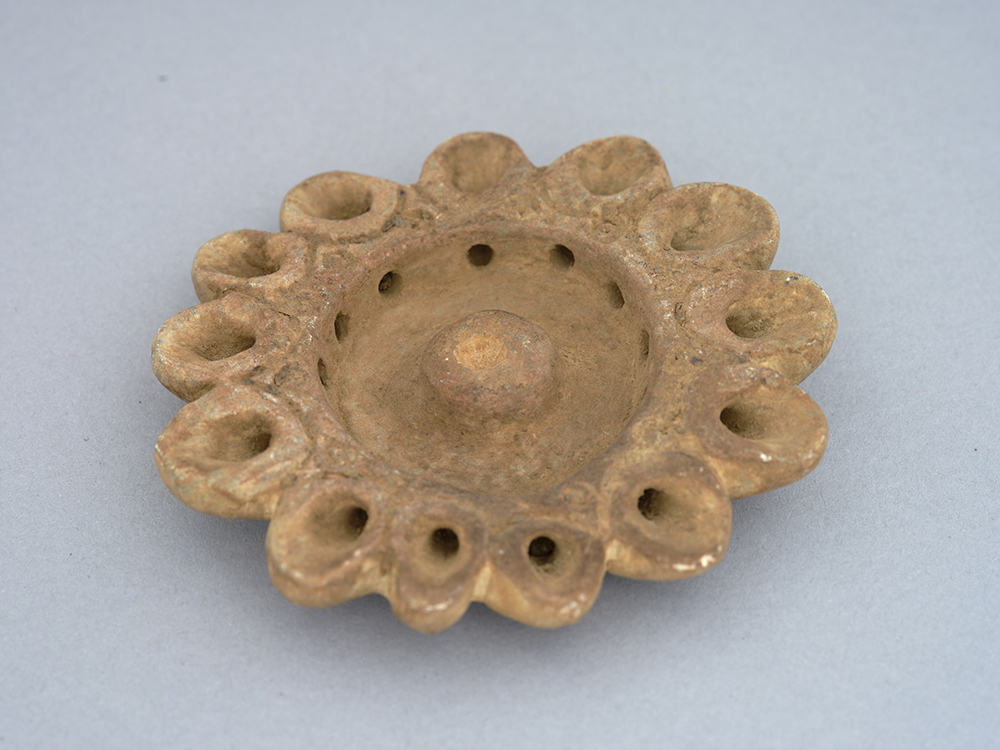
Terracotta oil lamp composed of a central reservoir surrounded by multiple wick holders arranged in a circular pattern. This design allowed several wicks to be lit simultaneously, increasing the intensity of the light produced. Its radiating form, reminiscent of a flower or rosette, combines aesthetic refinement with technical ingenuity, illustrating the diversity of lighting solutions developed in the societies of the Islamic world.

Estimated date: Medieval period

Geographical origin: Near East or North Africa

Legal Information

Intellectual Property

All content available on this website, including but not limited to texts, photographs, manuscripts, images, illustrations, videos, digitized documents, logos, databases, graphic elements, and other materials, is protected under Swiss and international copyright and intellectual property laws.

Except with the prior written authorization of the ADLANIA Foundation or the relevant rights holders, any reproduction, representation, distribution, adaptation, or exploitation, whether in whole or in part, of this content, by any means or on any medium whatsoever, is prohibited.

The reproductions of the works and documents presented on this website are made available exclusively for purposes of preservation, research, scientific, cultural, and heritage enhancement.

Collections and Archives

The manuscripts, documents, photographs, heritage objects, works of art, and other collections presented on this website are owned by the ADLANIA Foundation or are reproduced with the authorization of their owners or rights holders.

The manuscripts, documents, photographs, heritage objects, works, and other collections presented on this website are owned by the ADLANIA Foundation or are reproduced with the authorization of their owners or rights holders.

Collection Photographs

The photographs of the manuscripts, objects, works of art, and other heritage items presented on this website were taken by photographer Abdou Diouri as part of his collaboration with the ADLANIA Foundation.

These photographs are protected by copyright.

Any reproduction, display, distribution, modification, or use, whether in whole or in part and in any form whatsoever, is prohibited without the prior written authorization of the ADLANIA Foundation and, where applicable, the relevant rights holders.

Privacy Policy

The ADLANIA Foundation is committed to protecting the personal data of visitors to this website. The information collected through contact forms, information requests, registrations, or orders is used exclusively to respond to users' inquiries, manage communications, process orders, and improve the services provided.

Personal data is neither sold, rented, nor disclosed to third parties, except where required by law or when necessary for the provision of a service requested by the user.

In accordance with applicable data protection legislation, each user has the right to access, rectify, erase, restrict the processing of, and, where applicable, object to the processing of their personal data.

Any request may be addressed to the ADLANIA Foundation using the contact details provided on the website.

Cookie Policy

This website uses cookies to ensure its proper functioning, enhance the browsing experience, and, where applicable, measure website traffic.

Strictly necessary cookies required for the operation of the website are placed automatically. Other categories of cookies, including those used for audience measurement or provided by third-party services, are only used after the user's consent has been obtained, where required by applicable law.

The user may, at any time, manage or withdraw their consent through their browser settings or via the cookie consent manager, where available.

Legal Information

Intellectual Property

All content available on this website, including but not limited to texts, photographs, manuscripts, images, illustrations, videos, digitized documents, logos, databases, graphic elements, and other materials, is protected under Swiss and international copyright and intellectual property laws.

Except with the prior written authorization of the ADLANIA Foundation or the relevant rights holders, any reproduction, representation, distribution, adaptation, or exploitation, whether in whole or in part, of this content, by any means or on any medium whatsoever, is prohibited.

The reproductions of the works and documents presented on this website are made available exclusively for purposes of preservation, research, scientific, cultural, and heritage enhancement.

Collections and Archives

The manuscripts, documents, photographs, heritage objects, works of art, and other collections presented on this website are owned by the ADLANIA Foundation or are reproduced with the authorization of their owners or rights holders.

The manuscripts, documents, photographs, heritage objects, works, and other collections presented on this website are owned by the ADLANIA Foundation or are reproduced with the authorization of their owners or rights holders.

Collection Photographs

The photographs of the manuscripts, objects, works of art, and other heritage items presented on this website were taken by photographer Abdou Diouri as part of his collaboration with the ADLANIA Foundation.

These photographs are protected by copyright.

Any reproduction, display, distribution, modification, or use, whether in whole or in part and in any form whatsoever, is prohibited without the prior written authorization of the ADLANIA Foundation and, where applicable, the relevant rights holders.

Privacy Policy

The ADLANIA Foundation is committed to protecting the personal data of visitors to this website. The information collected through contact forms, information requests, registrations, or orders is used exclusively to respond to users' inquiries, manage communications, process orders, and improve the services provided.

Personal data is neither sold, rented, nor disclosed to third parties, except where required by law or when necessary for the provision of a service requested by the user.

In accordance with applicable data protection legislation, each user has the right to access, rectify, erase, restrict the processing of, and, where applicable, object to the processing of their personal data.

Any request may be addressed to the ADLANIA Foundation using the contact details provided on the website.

Cookie Policy

This website uses cookies to ensure its proper functioning, enhance the browsing experience, and, where applicable, measure website traffic.

Strictly necessary cookies required for the operation of the website are placed automatically. Other categories of cookies, including those used for audience measurement or provided by third-party services, are only used after the user's consent has been obtained, where required by applicable law.

The user may, at any time, manage or withdraw their consent through their browser settings or via the cookie consent manager, where available.